Clothes Line Embroidery Review for Boutique Apparel
As an embroidery designer who spends countless hours digitizing and testing designs for boutique collections, I am always on the lookout for pieces that balance aesthetic appeal with production reliability. When browsing Creative Fabrica embroidery options for a new line of youth apparel, the Clothes Line design caught my attention. It is categorized under Boys but possesses a versatility that extends well beyond gender-specific marketing. This review explores how this machine embroidery design might perform in real-world applications, from hoodie chest placements to tote bag accents.
First Impressions and Visual Personality
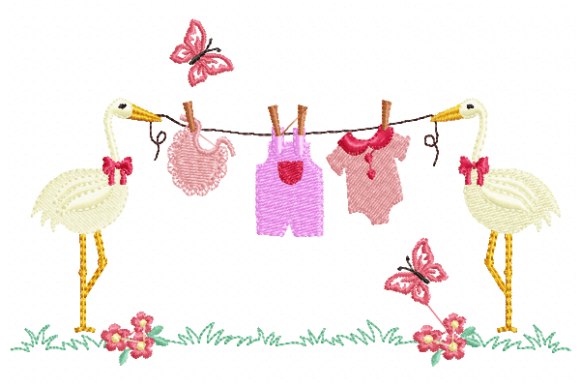
The immediate visual personality of the Clothes Line design suggests a blend of rustic charm and playful minimalism. For a designer planning a seasonal collection, the mood of a design dictates its placement and fabric choice. This design feels casual yet polished, avoiding the overly complex or cluttered look that can sometimes plague digital files. The decorative strength lies in its simplicity, making it suitable for brands aiming for a clean, modern aesthetic.
In terms of detail level, the design appears to offer enough texture to hold interest without demanding excessive stitching time. This is crucial for maintaining profitability in small shop products. The visual weight of the design suggests it would work beautifully on neutral sweatshirts, allowing the thread colors to pop against a muted background. It also carries a certain premium feel, which is essential when building brand identity and buyer trust for higher-priced handmade items.
Application in Sweatshirt and Hoodie Collections
Sweatshirt embroidery remains one of the most popular categories for Etsy sellers and small clothing brands. The Clothes Line design offers several compelling placement options for this garment type.
- Hoodie Chest Placement: A classic approach. The design’s balanced proportions make it ideal for a left-chest placement on oversized garments. It adds a subtle touch of personality without overwhelming the silhouette.
- Sleeve Accents: For a more trendy, streetwear-inspired look, consider placing smaller iterations of the design on the cuff or upper sleeve. This works particularly well with pastel hoodies, adding a pop of color and detail.
- Back Designs: If the design allows for scaling, it could serve as a striking back print on dark apparel. However, care must be taken to ensure the stitch density does not cause the heavy knit fabric to pucker.
When preparing a small sweatshirt collection, consistency is key. Using a design like Clothes Line across multiple SKUs—such as matching parent-child sets or sibling outfits—can enhance product recognition and create a cohesive brand narrative.
T-Shirt and Denim Jacket Versatility
Beyond heavy knits, this embroidery file translates well to lighter fabrics. On t-shirt embroidery projects, the design can provide a soft, tactile element that prints cannot replicate. For denim jackets, a staple in custom apparel, the rustic vibe of the clothesline motif complements the rugged texture of the fabric perfectly. It adds a layer of craftsmanship that elevates a basic jacket into a statement piece.
Expanding into Lifestyle and Accessories
A savvy entrepreneur knows that diversifying product lines increases revenue streams. The Clothes Line design is not limited to wearable goods. It performs exceptionally well in the lifestyle accessory market.
- Tote Bag Design: Canvas totes are a favorite for gift-giving. Embroidering this design on a sturdy canvas bag creates a durable, high-quality item that customers will use repeatedly, serving as walking advertisements for your brand.
- Cozy Seasonal Outfits: Pairing this design with winter hats or beanies can create charming gift sets. The theme of "clothesline" evokes feelings of home, comfort, and domesticity, which resonates strongly during the holiday season.
- Digital Products: For those selling digital assets, this design can be incorporated into printable mockups. High-quality images of the finished product on various garments can drive traffic to your Etsy listings and social media graphics.
Strategic Considerations for Production
While the aesthetic potential is clear, practical execution requires careful planning. As an experienced designer, I advise reviewing specific technical aspects before committing to bulk production.
Fabric and Stabilizer Selection
The success of any machine embroidery design depends heavily on substrate compatibility. When working with stretchy fabrics like fleece or ribbed material, proper stabilization is non-negotiable. Use a cut-away stabilizer to prevent distortion, especially if the design has dense stitch areas. For dark garments, ensure high contrast between the thread colors and the fabric to maintain legibility and visual impact.
Inspect the hoop size requirements carefully. If the design is large, you may need a larger hoop, which limits placement options on smaller garments like infant onesies. Always test on scrap fabric that mimics the final garment’s texture and stretch to identify potential issues early.
Stitch Density and Thread Choice
Review the stitch density within the file. Excessive density on lightweight fabrics can lead to puckering, while insufficient density may result in visible backing material. Experiment with different thread colors to see how they interact with the design’s mood. Neutral threads often highlight the texture, while bold colors emphasize the graphic nature of the artwork.
Brand Value and Customer Engagement
Investing in quality embroidery directly affects your bottom line. A well-executed finished product signals professionalism and attention to detail. Customers are willing to pay a premium for items that look and feel expensive. By using versatile designs like Clothes Line, you can maintain visual consistency across your catalog, reinforcing your boutique brand’s identity.
Furthermore, unique embroidery designs encourage social sharing. Buyers love to showcase their handmade purchases online. Providing high-resolution images of the embroidery details in your listings helps convey the tactile quality of the product, reducing return rates and increasing customer engagement.
Practical Designer Notes
Before launching your collection, adhere to these best practices:
- Test Rigorously: Always run a test stitch on the actual garment fabric, not just scraps.
- Check Licensing: Confirm the Creative Fabrica product details and licensing terms before selling finished apparel. Ensure you have commercial rights for the volume you intend to produce.
- Verify File Formats: Since the product comes in multiple formats, ensure compatibility with your embroidery machine software.
- Compare Placements: Try different positions on sample garments to find the most flattering angle.
- Inspect Stitch Quality: Look for loose threads or misalignments during testing.
The Clothes Line design offers a solid foundation for a variety of boutique apparel projects. Its adaptable nature makes it a valuable asset for digital sellers and crafters looking to expand their offerings. By focusing on quality execution and strategic branding, you can turn this simple design into a standout product that resonates with your audience.