Cute Dolphin Embroidery Design Review
If you are preparing for a busy weekend at the local craft fair or updating your Etsy seller shop with fresh inventory, the visual impact of your products is everything. As an experienced embroidery designer who has spent years turning digital files into tangible handmade product lines, I look at every new machine embroidery design through a specific lens: Will this sell? Does it photograph well? Is it practical to produce in bulk?
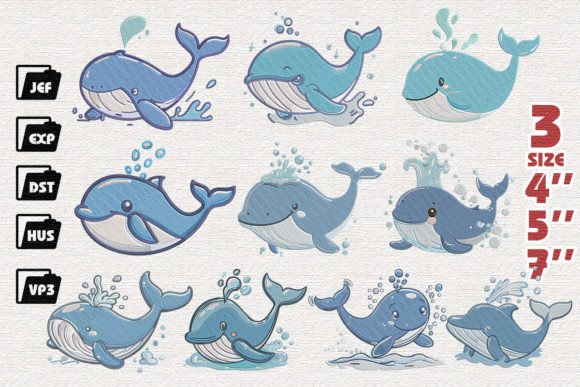
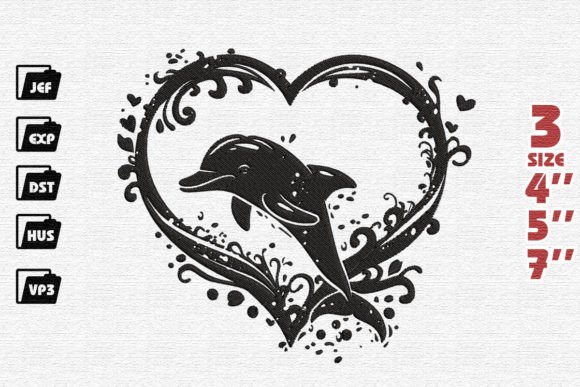
This week, I am reviewing the "Cute Dolphin" design from the Marine Mammals category. At first glance, the description promises a "fun and whimsical accent." But does that translate to a strong booth display? Let’s break down how this embroidery file performs on real-world items, what makes it stand out, and where you need to be careful during production.
First Impressions and Visual Appeal
The term "Cute Dolphin" suggests a design that leans toward charm rather than realism. In the world of commercial embroidery, cute often wins over complex because it appeals to a broader audience, including children and gift buyers. This design likely features soft curves and a playful expression, making it perfect for creating a welcoming vibe at your booth.
When customers walk past a table of tote bags and aprons, they stop for things that evoke emotion. A whimsical dolphin can trigger feelings of summer, beach vacations, and nostalgia. It feels modern yet timeless. Unlike rigid geometric patterns, this design has personality. It works beautifully as a small accent on a pocket or as a larger focal point on the back of a hoodie. The key here is that it doesn’t compete with other items on the table; it complements them by adding a touch of color and life.
Best Product Applications for Craft Fairs
To maximize sales, you need to place this design assets in the right context. Here is where "Cute Dolphin" shines:
- Tote Bag Design: This is perhaps the strongest application. A white or canvas tote bag with a colorful embroidered dolphin immediately looks like a premium small shop product. It photographs incredibly well for online listings, capturing that coastal aesthetic that sells year-round.
- Apron Embroidery: Placing the dolphin on the bib or lower pocket of a kitchen apron adds a pop of fun to a utilitarian item. It transforms a simple cooking tool into a giftable handmade gift.
- Tea Towel Embroidery: Linen or cotton tea towels are high-margin items. The clean fabric allows the stitch density to show off clearly. If the design includes bright thread colors, it will contrast beautifully against neutral backgrounds.
- Embroidered Patch: Consider offering the dolphin as a detachable patch. This allows customers to customize their own jackets or bags. Patches are low-cost impulse buys that can significantly increase your average order value.
- Caps and Headwear: The curved surface of a baseball cap or bucket hat provides a dynamic canvas. Ensure the design is sized correctly so it doesn’t get lost on the curve but also doesn’t overwhelm the front panel.
- Fabric Pouches and Pillow Covers: For a more decorative approach, use this on zippered pouches for makeup or tech accessories. On pillow covers, it serves as a subtle nod to nautical themes without being too literal.
Production Practicality and Batch Making
For any digital embroidery file to be successful in a business setting, it must be easy to hoop and stitch consistently. When evaluating "Cute Dolphin," consider its scalability. Can it be resized for different products without losing clarity? A good embroidery design should look just as good on a tiny coin purse as it does on a large market bag.
Photography is another critical factor. This design is highly photogenic. The whimsical nature of the dolphin means it captures light well, especially if you use metallic or variegated threads. When creating a printable mockup for your online store, ensure the lighting highlights the texture of the stitches. Customers cannot touch the product, so the image must convey quality.
Batch production is smoother when the design has clear registration points. If the dolphin has distinct eyes or fins, these serve as anchors for the eye, making minor alignment errors less noticeable. However, always test the hoop size compatibility. If the design requires a large hoop, it may limit the types of smaller items you can produce efficiently.
Careful-Use Notes and Potential Pitfalls
Even charming designs have technical challenges. Here is what to watch out for:
- Dense Stitch Areas: Check the belly or tail of the dolphin for dense satin stitches. Too much density can cause puckering, especially on lightweight fabrics like thin cotton tees. Use a cut-away stabilizer for these areas to maintain structure.
- Tiny Details: If the design includes small whiskers or expressive eyes, ensure they are large enough to stitch cleanly. Tiny details often get lost in the thread or merge together if the thread colors are not chosen carefully.
- Fabric Texture: Avoid using this design on highly textured fabrics like thick terry cloth towels unless you use a heavy-duty stabilizer. The needle penetration might be difficult, leading to skipped stitches.
- Dark Fabric: If embroidering on dark-colored items, ensure you have enough underlay stitches to prevent the fabric from showing through the design. You may need to add a tear-away backing or use a lighter thread base.
- Curved Surfaces: When stitching on caps, the curvature can distort straight lines. Make sure the design is digitized specifically for curved surfaces or adjust the placement angle to compensate.
Designer Tips for Success
To ensure your "Cute Dolphin" products are top-quality, follow these essential steps before you start selling:
- Test on Scrap Fabric: Never go straight to the final product. Stitch the design on the same type of fabric you plan to sell. This helps you identify tension issues or color clashes early.
- Check Thread Contrast: The choice of thread color is vital. A neon yellow dolphin on a white towel might be hard to see, while a navy blue on black might disappear. Choose threads that pop against your base fabric.
- Review Spacing: Ensure there is enough space around the design for hooping. If the dolphin is too close to the edge of the fabric, the hoop clamp might crush the stitches.
- Confirm Commercial Licensing: Before listing any finished items on Etsy or at a craft fair, verify that your embroidery file includes commercial licensing rights. This protects you from legal issues and allows you to profit fully from your work.
- Create Real Mockups: Digital renders are helpful, but photos of real, stitched products build trust. Show the texture, the sheen of the thread, and how the item looks when worn or used.
Ultimately, "Cute Dolphin" is a versatile addition to any craft fair product lineup. Its whimsical charm appeals to a wide range of buyers, and its adaptability across various textiles makes it a reliable seller. By paying attention to stitch density, fabric choice, and presentation, you can turn this simple marine mammal motif into a standout piece that drives sales and builds your brand reputation.
Remember, the success of your finished product lies in the details. Take the time to perfect your execution, and your customers will notice the care you put into every stitch.