Dope Embroidery Design Review for Small Business Merch
As an embroidery designer who has spent years refining designs for everything from high-volume uniform production to boutique handmade goods, I approach every new digital asset with a critical eye. When I first encountered the Dope embroidery design, my initial thought was not just about its aesthetic appeal, but about its viability as a commercial product. The description promises to "enhance fabrics with a dash of character," adding a "cheerful and artistic touch." For small business owners, Etsy sellers, and merch creators, that promise is exactly what drives sales. However, turning a cheerful concept into a professional brand identity requires more than just good vibes; it requires technical precision and strategic placement.
First Impressions: Personality and Professionalism
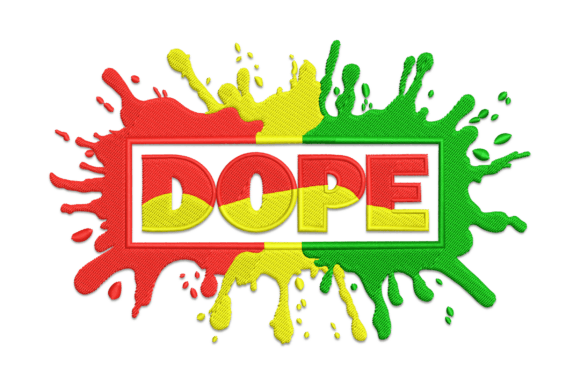
The title "Dope" immediately suggests a modern, youthful, and slightly rebellious energy. In the context of machine embroidery design, this usually translates to bold lines, clean geometry, or playful typography. From a visual standpoint, the design feels friendly yet confident. It avoids being overly ornate, which is a smart choice for mass production. A design that is too intricate can become muddy when stitched at smaller sizes, whereas "Dope" appears to strike a balance between artistic flair and readability.
This balance is crucial for small business merch. Whether you are running a local café, a creative studio, or a pet brand, your merchandise needs to communicate your personality instantly. The "cheerful" aspect mentioned in the product description makes it suitable for businesses that want to appear approachable and fun. However, because it is labeled under the category of Remembrance, there is an underlying layer of depth. If utilized correctly, this duality allows the design to work for both lighthearted casual wear and more meaningful commemorative items, such as memorial gifts or charity event shirts.
Real-World Applications for Branded Merchandise
So, where does Dope shine in a commercial setting? After reviewing the design structure, I see several high-potential use cases for entrepreneurs looking to expand their revenue streams.
- Embroidered Patches: One of the most profitable applications for this file is creating iron-on or sew-on patches. These are highly sought after by hobbyists and fashion enthusiasts. The design’s likely clean edges make it perfect for backing materials, allowing it to be easily applied to denim jackets, beanies, or backpacks.
- Staff Uniforms and Aprons: For a bakery, florist, or boutique, staff attire is walking billboard space. Placing Dope on the chest of a work shirt or the bib of an apron adds a touch of personality without overwhelming the uniform. It signals to customers that the brand cares about culture and style.
- Caps and Headwear: Cap embroidery is a staple for custom apparel brands. The design’s compact nature (assuming standard proportions) would sit well on the front panel of a baseball cap or structured hat. It offers a subtle branding opportunity that looks premium rather than cheap.
- Tote Bags and Product Packaging: Canvas tote bags are evergreen products for Etsy sellers. A single, well-placed stitch of this design adds significant perceived value to a simple bag. Furthermore, using it as a label on product packaging—such as soap bars, candles, or jewelry boxes—creates a cohesive unboxing experience that encourages social media sharing.
- Event Merch and Customer Gifts: Because the design is versatile, it works well for one-off events. Think craft fairs, corporate retreats, or wedding favors. It serves as a memorable keepsake that customers actually want to keep, unlike generic promotional items.
Strategic Placement and Cautionary Notes
While the design is promising, no embroidery file is universally flawless. As a designer, I must advise caution in specific scenarios to ensure the final product meets professional standards.
First, consider stitch density. If the design relies heavily on dense satin stitches for lettering, it may pucker on lightweight fabrics like thin cotton tees or delicate linens. Always test on the actual fabric you intend to sell. If you are stitching on textured fabrics, such as heavy tweed or bouclé, the details may get lost. In these cases, a larger hoop size and appropriate stabilizer are non-negotiable.
Second, think about scale. Many buyers will attempt to shrink this design down for tiny labels or sleeve cuffs. Before committing to bulk production, check if the design remains legible at 2 inches wide. If the outlines are too thin, they may break during trimming or washing. Similarly, avoid placing complex elements on curved surfaces like the brim of a cap unless you have specialized software to compensate for distortion.
Additionally, color contrast is key. The description mentions a "dash of character," which often implies vibrant thread colors. Ensure that your chosen thread palette contrasts sharply with the garment color. On dark uniforms, light threads might look washed out, while dark threads on black fabric will disappear entirely. Test your thread colors against your most common garment stock.
Impact on Brand Identity and Customer Trust
In the world of handmade products and commercial embroidery, quality speaks louder than marketing copy. A poorly executed embroidery job can damage customer trust, while a crisp, clean design enhances perceived value. Using Dope effectively can elevate a basic item into a premium finished product.
When a customer sees a professionally stitched logo or accent, they associate that precision with the quality of the entire brand. It signals attention to detail. For remembrance items specifically, the emotional weight of the gift is amplified by the care taken in its creation. A neat, durable patch feels like a lasting tribute, whereas a sloppy stitch can feel disposable.
Furthermore, consistency is vital for brand identity. If you use this design across multiple platforms—from your website mockups to your physical tags—it reinforces recognition. Buyers begin to associate the visual style of Dope with your shop, creating a loyal following.
Practical Designer Notes for Production
Before you upload this digital embroidery file to your machine, follow these essential steps to guarantee success:
- Test in Black and White: Convert the design to monochrome to check spacing and balance. This helps identify any cramped areas that might need digitizing adjustments.
- Check Hoop Size: Verify that the design fits within your standard hoop dimensions. If it is too large, you may need to split the design or use a multi-hoop technique, which increases production time.
- Use Proper Stabilizer: Never skip the stabilizer. The right type (cut-away vs. tear-away) depends on your fabric texture and stretch. Incorrect stabilization leads to puckering and misalignment.
- Create a Printable Mockup: Use the design to create a realistic preview for clients. This helps manage expectations and speeds up the approval process.
- Confirm Commercial Licensing: Most importantly, review the license terms. Ensure you have the right to sell physical products made with this design. Unauthorized commercial use can lead to legal issues.
Ultimately, Dope is a strong contender for any entrepreneur looking to add a trendy, character-filled element to their inventory. By respecting the technical limitations and focusing on strategic application, you can transform this simple embroidery design into a powerful tool for business growth. Whether you are crafting unique handmade products or scaling up apparel decoration, this design offers the flexibility and charm needed to stand out in a crowded market.