Flamingo Alphabet M Embroidery Design Review
As an embroidery designer who spends hours evaluating digitized files for commercial viability, I approach every new asset with a critical eye. The goal is never just "pretty"; it is about functionality, brand alignment, and production efficiency. Today, I am reviewing the Flamingo Alphabet M, a design that promises to bring a touch of adorable charm to your projects. But does it hold up under the scrutiny of small business merchandising?
This review is tailored for small business owners, embroidery shops, apparel decorators, handmade brands, Etsy sellers, and product designers. We will look at how this machine embroidery design performs as a branded patch, a uniform accent, or a standalone piece of custom apparel.
First Impressions: Personality and Visual Impact
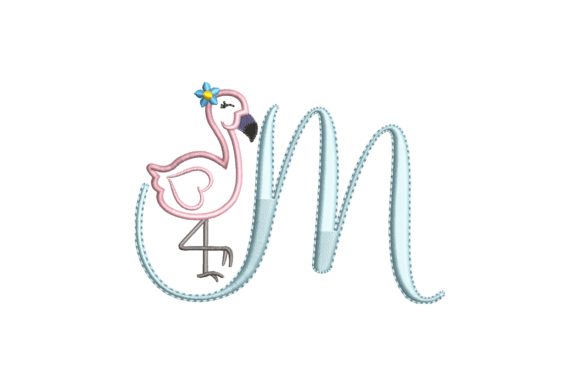
When you first load the Flamingo Alphabet M into your digitizing software, the immediate takeaway is its playful yet polished aesthetic. Flamingos are inherently vibrant, associated with warmth, travel, and a relaxed lifestyle. This embroidery file captures that energy without becoming chaotic. The letter "M" is likely stylized, perhaps integrating the curve of a flamingo’s neck or the stance of the bird itself, creating a monogram that feels both modern and classic.
For a boutique owner or a creative studio, this visual personality is a huge asset. It signals friendliness and approachability. Unlike stark, minimalist sans-serifs which can feel cold, or overly ornate scripts which can be hard to read, this design strikes a balance. It feels premium but not pretentious. This makes it ideal for businesses that want to project professionalism while maintaining a warm, handmade product vibe. Whether you are running a local café, a floral shop, or a pet brand, this brand identity cue works well to engage customers on an emotional level.
Real-World Business Applications
The true test of any digital embroidery file is how it translates from screen to fabric. Here is how Flamingo Alphabet M performs in specific commercial scenarios:
- Branded Patches: This design excels as a sew-on or iron-on patch. The distinct shape of the flamingo motif allows for clean edge trimming if needed, making it perfect for denim jackets, backpacks, or tote bags. For an Etsy seller, these patches serve as high-margin add-ons.
- Staff Uniforms and Aprons: Imagine a beachside bakery or a tropical-themed juice bar. Placing the Flamingo Alphabet M on the chest of a white apron creates instant recognition. It is less formal than a corporate logo but more structured than a random graphic. It tells the customer, "We take our craft seriously, but we also have fun."
- Cap Embroidery: The curved front of a baseball cap or a structured trucker hat provides a natural frame for this monogram. If the design includes enough negative space, it will sit cleanly on the panel without crowding the brim. This is a staple item for event merch and promotional giveaways.
- Tote Bag Design: Canvas totes are the lifeblood of many small businesses. A centered or off-center placement of this monograms style design adds a decorative touch that customers are happy to carry around town, effectively turning them into walking billboards for your small business merch.
- Product Packaging Accents: Beyond clothing, consider using this design on hang tags or garment labels. A small embroidered label featuring the flamingo "M" elevates the perceived value of your finished product, suggesting attention to detail that buyers appreciate.
Strategic Use Cases and Brand Identity
Incorporating Flamingo Alphabet M into your product line does more than just decorate; it communicates values. In the crowded marketplace of handmade goods, visual consistency is key. Using a cohesive set of alphabet designs (like a full flamingo series) allows you to offer personalized items—initials on baby clothes, name tags for staff, or custom guest gifts.
This personalization drives customer trust and engagement. When a buyer sees their initial or their child's initial rendered in such a charming style, the connection to the brand deepens. It transforms a generic commodity into a custom apparel item with sentimental value. For service-based businesses like florists or bakers, it reinforces a niche identity that stands out against competitors using generic clip-art styles.
Where to Exercise Caution
While this design has strong potential, no embroidered patch is universal. There are specific contexts where Flamingo Alphabet M might struggle:
- Small Patch Sizes: If you plan to reduce this design to less than 2 inches in height, details may become muddy. Fine lines in the flamingo’s feathers or the curves of the letter may merge together, losing definition.
- Curved Surfaces: While caps are generally fine, highly curved surfaces like the sides of a bucket hat or a rounded mug sleeve can distort the geometry of the letter. Always test on the actual substrate.
- High Stitch Density Areas: If the design uses heavy fill stitches for the flamingo body, it may become stiff and bulky. On lightweight fabrics like silk or thin rayon, this bulk can cause puckering. Ensure you use the correct stabilizer to support the weight of the threads.
- Dark Uniforms: On black or navy uniforms, ensure the thread colors provide sufficient contrast. A pastel pink flamingo on dark blue might lack punch unless you use a dense underlay or a contrasting backing.
- Frequent Washing: For items like work shirts that undergo industrial laundering, check the durability of the stitch structure. Designs with long run stitches may snag. Verify that the design assets are optimized for durability before committing to large runs.
Practical Designer Notes for Production
Before you hit "start" on your multi-head machine, follow these professional steps to ensure quality control:
- Test in Black and White: Convert the design to grayscale to check contrast and spacing. If the shapes don’t read clearly in monochrome, they won’t read clearly in color.
- Check Hoop Size: Confirm the maximum dimensions of the Flamingo Alphabet M. Ensure it fits comfortably within your standard hoops, leaving room for clamping. If it is large, you may need a specialized hoop or a floating technique.
- Thread Color Contrast: Select thread colors that pop against your target fabric. Don’t rely on the digital preview alone; physical lighting changes perception. Test with actual spools.
- Inspect Spacing: Zoom in on the digitizing. Are there any jump stitches that are too long? Is the density appropriate for the fabric type? Adjustments can often be made in the digitizing software before finalizing the embroidery file.
- Create a Printable Mockup: Before cutting fabric, create a printable mockup for client approval. This saves time and materials, especially for custom orders.
- Confirm Commercial Licensing: Most importantly, verify the license terms. Ensure you have the right to sell products made with this digital embroidery file. Personal use licenses do not cover commercial merchandise.
Final Verdict
The Flamingo Alphabet M is a versatile, charming, and commercially viable option for small business branding. Its blend of playfulness and structure makes it suitable for a wide range of applications, from apron embroidery to tote bag design. By understanding its strengths and respecting its limitations regarding size and fabric, you can leverage this design to enhance your finished product quality and strengthen your brand identity.
For the discerning embroiderer, this is more than just a letter; it is a tool for storytelling. Use it wisely, test thoroughly, and watch your brand come to life on fabric.