Floral Seahorse Design Review
As an embroidery designer who has spent years refining design assets for small business owners and merch creators, I approach every new embroidery file with a critical eye. It is not enough for a design to simply look pretty on a screen; it must hold up under the hoop, translate well across different fabric textures, and enhance the brand identity of the business applying it. Today, I am reviewing the Floral Seahorse, a design described as adding a "fun and quirky flair" to fabrics. While the description hints at charm, my job is to determine if this piece truly delivers professional value for small business merch, branded patches, and custom apparel.
First Impressions: Personality and Visual Appeal
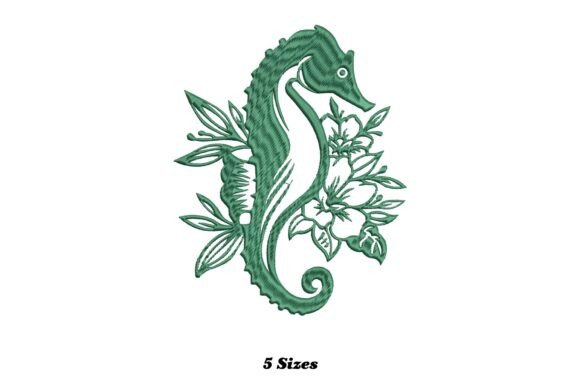
The title Floral Seahorse immediately suggests a blend of organic softness and marine whimsy. From a design perspective, this combination often leans toward a playful, boutique aesthetic rather than a corporate or minimalist look. The description promises a "charming update," which signals that this design is likely intended for businesses that want to appear approachable, creative, and handmade. For a florist, a beachside café, or a pet brand, this personality fits perfectly. However, for a high-end luxury brand or a strict uniform policy, the "quirky" nature might feel too informal.
Visually, we can anticipate a mix of delicate floral elements and the distinct silhouette of a seahorse. This duality creates visual interest but also presents technical challenges regarding stitch density and detail resolution. When evaluating such a machine embroidery design, I always ask: does the contrast between the flower details and the seahorse body provide enough definition? If the design relies heavily on fine lines, it risks becoming muddy when stitched, especially on textured fabrics like towels or heavy cotton blends.
Real-World Business Applications
The true test of any digital embroidery file is its versatility in production. Here is how Floral Seahorse performs in specific commercial scenarios:
- Embroidered Patches: This design has strong potential as a standalone patch. The contained nature of a seahorse surrounded by florals allows for a clean border or appliqué backing. These patches are excellent for denim jackets, tote bags, and craft fair merchandise. They serve as a tangible touchpoint for customer engagement.
- Apron Embroidery: For bakeries, florists, or boutique coffee shops, placing this design on the chest pocket of a white or neutral apron adds a professional yet friendly touch. It elevates the staff uniform from generic workwear to a branded experience.
- Cap Embroidery: The compact nature of most seahorse designs makes them suitable for cap fronts. However, ensure the width fits standard 3-inch or 4-inch cap panels without crowding. A well-executed cap logo increases visibility and acts as walking advertising for the business.
- Tote Bag Design: Canvas totes are a staple for handmade brands. Stitching Floral Seahorse centrally or off-center on a natural canvas bag reinforces a rustic, eco-friendly brand image. It pairs well with simple typography for event merch or customer gifts.
- Custom Apparel Accents: Beyond full logos, this design works beautifully as a sleeve detail or near a hemline on t-shirts and hoodies. It adds a subtle layer of sophistication that encourages closer inspection by customers.
Strategic Considerations and Limitations
No design is without its constraints. As a designer, I advise caution in several key areas when using Floral Seahorse for commercial projects:
- Small Patch Sizes: If you plan to produce very small patches (under 2 inches), intricate floral details may disappear. Simplify the design or increase the scale to maintain clarity.
- Curved Surfaces: Embroidering on curved items like caps or rounded tote handles requires skilled digitizing to prevent puckering. Test extensively on the actual product shape before committing to bulk production.
- High Stitch Density: Designs with dense fill stitches can become stiff and uncomfortable, particularly on lightweight shirts or baby clothes. Check the stitch count to ensure the finished product remains wearable and drapes naturally.
- Dark Uniforms and Fabric Texture: On dark fabrics, thread color contrast is paramount. Light-colored florals may get lost against black or navy unless underlay stitching is optimized. Similarly, highly textured fabrics like terry cloth (towels) can obscure fine details, so test on your actual material.
- Frequent Washing: For items like aprons and work shirts that undergo industrial laundering, ensure the design uses stable stitch types to prevent fraying or distortion over time.
Impact on Brand Identity and Trust
Choosing the right design assets directly influences customer perception. Floral Seahorse communicates creativity, attention to detail, and a love for nature. When applied consistently across product packaging, labels, and uniforms, it builds brand identity recognition. Customers associate the quality of the embroidery with the quality of the business itself. A crisp, well-stitched logo fosters trust and suggests professionalism, whereas a poorly executed design can undermine even the best products.
Furthermore, unique designs like this help differentiate your small business merch in a crowded marketplace. It moves away from generic clipart aesthetics and offers a bespoke feel that resonates with buyers who value handmade and artisanal qualities. This emotional connection drives buyer engagement and repeat purchases.
Practical Designer Notes for Production
Before incorporating Floral Seahorse into your production line, follow these essential steps to ensure success:
- Test in Black and White: Convert the design to monochrome to check contrast and balance. If it lacks impact without color, the structure may need adjustment.
- Check Small Scale Performance: Zoom out to see how it looks at actual patch or logo size. Details that look good on screen often fail at 1 inch wide.
- Review Thread Color Contrast: Select threads that pop against your target fabric. Avoid low-contrast combinations that fade into the background.
- Inspect Spacing and Hoop Size: Confirm the hoop size accommodates the design without excessive trimming. Ensure there is enough negative space around the edges for clean finishing.
- Test on Real Fabric: Never rely solely on digital mockups. Stitch the design on the actual fabric type you intend to use to assess pull compensation and stability.
- Use Proper Stabilizer: Match the stabilizer (cut-away, tear-away, or water-soluble) to the fabric weight to prevent shifting or bubbling.
- Create a Printable Mockup: Before cutting fabric, generate a printable mockup for client approval or internal review. This saves material and time.
- Compare with Other Assets: Place Floral Seahorse beside your existing logo and typography to ensure visual consistency across all design assets.
- Confirm Commercial Licensing: Most importantly, verify that you have the correct license to use this digital embroidery file for commercial resale. Unauthorized use can lead to legal issues.
In conclusion, Floral Seahorse is a versatile and charming option for businesses seeking to add a touch of whimsy and elegance to their merchandise. By carefully considering its application, testing thoroughly, and aligning it with your brand’s voice, you can create a finished product that delights customers and strengthens your market presence. Always remember to check specific technical details like stitch count and file format before beginning large-scale production.