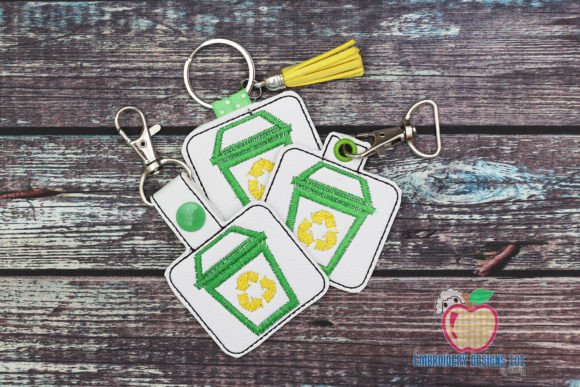
Review: Dumpster Diver ITH Snaptab Keyfob Design
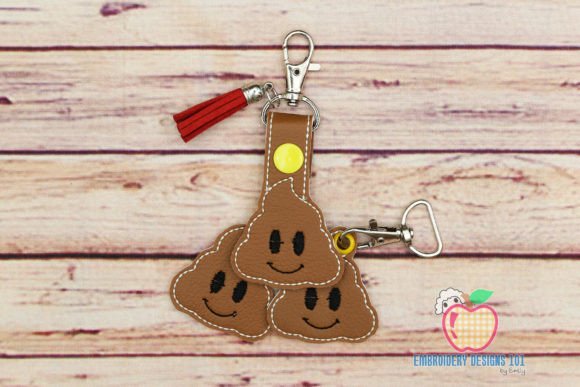
As an embroidery designer who has spent years translating concepts into stitch files, I approach every new digital embroidery file with a critical eye. The market for small business merchandise is saturated, and the difference between a product that sells and one that sits on a shelf often comes down to execution, versatility, and brand alignment. Today, I am reviewing the Dumpster Diver ITH Snaptab Keyfob Design. This is not just a cute graphic; it is a functional In The Hoop (ITH) project designed for efficiency. For owners of Etsy shops, boutique apparel brands, and creative studios, understanding how this design translates from a digital file to a tangible branded asset is crucial.
First Impressions: Personality and Professionalism
The title "Dumpster Diver" immediately sets a tone. It suggests resilience, resourcefulness, and perhaps a touch of rebellious humor. In the context of branding, this design feels bold, playful, and distinctly handmade. It does not scream corporate elegance; rather, it whispers authenticity. For a small café, a vintage clothing store, or a sustainable lifestyle brand, this personality fits perfectly. It appeals to customers who value character over polish.
However, when evaluating a machine embroidery design for commercial use, we must look beyond the concept. Does the artwork hold up when stitched? The inclusion of three versions—Snap Tab, Eyelet, and Ribbon—within a single 4x4 hoop-friendly footprint is a significant value proposition. It allows the designer to offer variety without requiring multiple large digitizing projects. The visual weight appears balanced, suggesting that even at smaller scales, the key fob will remain legible and impactful.
Real-World Business Applications
Where can the Dumpster Diver ITH Snaptab Keyfob Design truly shine in a business model? The versatility of an ITH key fob extends far beyond simple decoration. Here is how I see this fitting into various merch strategies:
- Staff Uniforms and Apron Embroidery: For a local bakery or a rugged construction supply shop, attaching a branded key fob to a staff member’s apron or belt loop creates immediate recognition. It turns a mundane item into a uniform piece. The durability of an ITH construction means it can withstand the rigors of a busy kitchen or workshop better than a standard printed tag.
- Boutique Merchandise and Tote Bag Design: Imagine selling these as add-on items alongside tote bags or custom apparel. A customer buying a hand-printed t-shirt might add a matching key fob for their car keys. This increases the average order value and reinforces the brand identity through consistent visual assets.
- Cap Embroidery Accents: While typically used on flat surfaces, these key fobs can be attached to the back or side of caps as unique identifiers. For a creative studio or a pet brand, this adds a tactile element that competitors using only screen printing cannot match.
- Product Packaging and Customer Gifts: Include a key fob in your shipping packages as a thank-you gift. It serves as a daily reminder of your brand. Whether it is a florist’s shop or a handmade candle maker, having a physical token that customers keep on their keys ensures long-term visibility.
- Event Merch and Craft Business Assets: For craft fairs or pop-up markets, these are low-cost, high-perceived-value items. They are quick to produce if you have the right setup, allowing you to restock quickly during peak hours.
Evaluating Performance and Versatility
The fact that this design is 4x4 Hoop friendly is a major logistical advantage. Many small business owners operate with multi-needle machines but limited hoop space. Being able to create all three versions (Snap Tab, Eyelet, Ribbon) in a compact area reduces production time and stabilizer waste. If you have a 5x7 hoop, you gain the flexibility to experiment with layout variations, though the 4x4 constraint forces a clean, focused design that usually translates well to small-scale applications.
This efficiency makes it ideal for commercial embroidery workflows where speed and consistency are paramount. You can batch-produce these for wholesale clients or seasonal collections without sacrificing quality.
Strategic Considerations and Cautionary Notes
No design is perfect for every application. As a professional reviewer, I must highlight areas where the Dumpster Diver ITH Snaptab Keyfob Design requires careful handling to maintain a premium look.
Small Patch Sizes and Legibility: When scaling down any embroidered patch, detail is lost. Ensure that the text and fine lines in the design do not become muddy. If the design includes intricate outlines, test them at the smallest intended size. Tiny lettering may require simplification or a larger font choice to remain readable on a key ring.
Stitch Density and Fabric Texture: High stitch density can make a key fob stiff and uncomfortable. Conversely, too little density may show the backing material. You must inspect the spacing and ensure the thread colors provide sufficient contrast against your chosen fabric texture. Dark uniforms or heavy canvas materials may require specific underlay stitches to prevent puckering.
Curved Surfaces and Washing: While excellent for flat items like tote bags and aprons, attaching rigid ITH key fobs to curved surfaces like cap fronts can be challenging. The stiffness of the finished product might not lay flat. Additionally, items that undergo frequent industrial washing need robust construction. Verify that the thread colors are colorfast and that the stabilizer residue does not degrade the fabric over time.
Impact on Brand Identity and Trust
Quality embroidery signals professionalism. A poorly executed stitch job can damage customer trust, while a crisp, well-finished product enhances perceived value. The Dumpster Diver ITH Snaptab Keyfob Design, when executed correctly, elevates your small business merch from generic to bespoke. It shows attention to detail. Customers associate the care taken in creating a custom accessory with the care taken in your core products.
Furthermore, the "handmade" aesthetic resonates strongly in today’s market. By offering embroidered goods, you differentiate yourself from mass-produced retailers. This design supports a narrative of craftsmanship, which is essential for building a loyal community around your brand.
Practical Designer Notes for Production
Before adding this to your production line, follow these steps to ensure success:
- Test in Black and White: Convert the design to monochrome first. This helps you evaluate the balance of negative space and solid areas without being distracted by thread colors.
- Check Small Scale Viability: Zoom in on the design elements. Are there any details that will disappear when stitched at 3 inches or less?
- Thread Color Contrast: Choose threads that pop against your target fabric. Light fabrics allow for darker, bolder threads; dark fabrics require bright or metallic accents.
- Confirm Hoop Size: Although described as 4x4 friendly, always verify the exact dimensions in your software to avoid clipping.
- Test on Real Fabric: Do not rely solely on virtual previews. Stitch the design on the actual fabric you plan to use. Observe how the stabilizer interacts with the material.
- Create a Printable Mockup: Before committing to bulk production, create a printable mockup to present to clients or for social media marketing. This allows for feedback before resources are spent.
- Verify Commercial Licensing: Most importantly, confirm the commercial licensing terms. Ensure you are legally permitted to sell finished goods made from this embroidery file.
In conclusion, the Dumpster Diver ITH Snaptab Keyfob Design offers a compelling blend of personality and practicality. It is a versatile tool for any embroiderer looking to expand their design assets into the realm of functional accessories. By paying attention to execution details and aligning the design with your brand’s voice, you can turn this key fob into a powerful ambassador for your business.