Frame Baby Animals Safari Review
As an experienced embroidery designer who spends countless hours prepping for weekend craft fairs, I know that the difference between a design that sits on a shelf and one that flies off the table often comes down to visual impact and practical execution. Today, I am reviewing the Frame Baby Animals Safari with a critical eye, imagining it as the centerpiece of my booth display. This piece promises a serene blend of modern aesthetics and classic embroidery charm, crafted for individuals seeking to imbue their fabric with a dash of splendor. But does it hold up under the bright lights of a market stall? Can it translate well from a digital file to a tangible, sellable item?
First Impressions: A Modern Classic for the Nursery
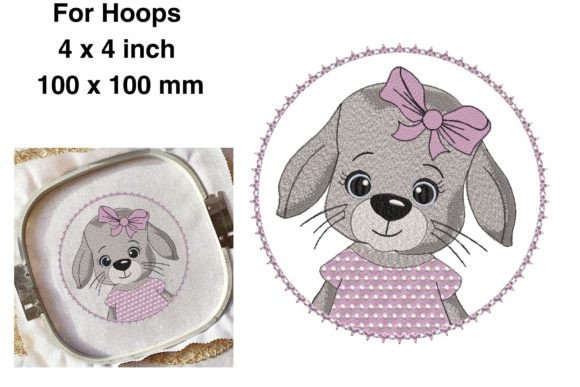
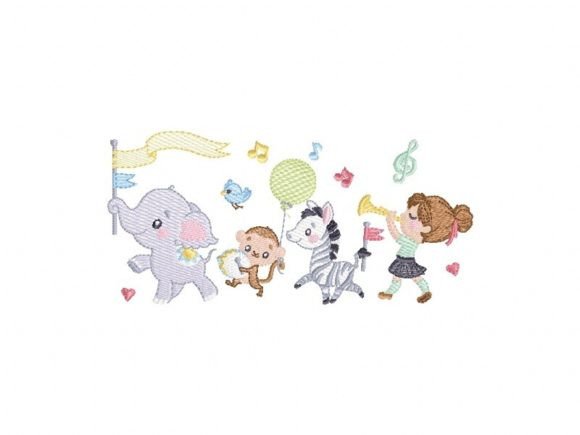
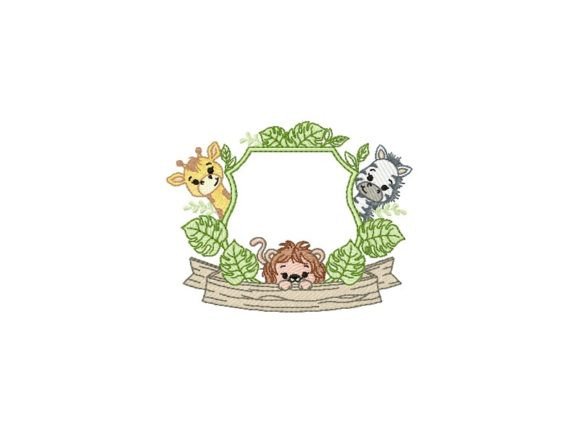
The title alone suggests a specific vibe, and upon examining the concept of Frame Baby Animals Safari, the first impression is undeniably soft yet structured. It feels like a perfect intersection of farmhouse chic and contemporary cuteness. For the Etsy seller or boutique maker looking to capture the attention of new parents, this design hits the sweet spot. It isn't overly busy or chaotic; instead, it offers a framed composition that feels intentional and premium.
In a crowded marketplace, customers are drawn to designs that look cohesive at a glance. The framing element provides a natural border that helps the design stand out against various fabric textures. Whether you are selling handmade product aimed at nurseries or baby showers, this design conveys a sense of care and quality. It avoids the "cheap" look of poorly digitized files by suggesting a clean layout that respects the negative space around the animals.
Product Versatility: Where Frame Baby Animals Safari Shines
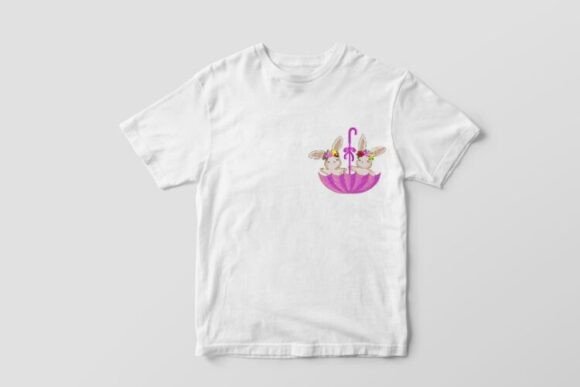
When preparing my table display, I consider which items will best showcase the machine embroidery design. Not all products give a design justice. Here is how Frame Baby Animals Safari performs across key categories:
- Tote Bags and Market Bags: This is where the design truly sings. A large, centered placement on a canvas tote bag allows the frame to breathe. It transforms a simple utility item into a statement piece that parents love carrying to the grocery store. The durability of the canvas complements the classic embroidery charm perfectly.
- Apron Embroidery: For the kitchen-focused crafter, placing this design on a linen apron adds a touch of whimsy to meal prep. The framed nature of the art works well as a chest pocket accent or a central focal point below the bib area.
- Tea Towel Embroidery: A staple in any craft fair product lineup. The rectangular shape of tea towels aligns naturally with the horizontal aspect of a frame design. It creates a delightful gift set when paired with matching napkins or placemats.
- Patches and Caps: If the design includes a clear border, it can be easily converted into an embroidered patch for denim jackets or backpacks. On caps, however, caution is required due to the curved surface; the frame might distort if not adjusted for the curve.
- Pillow Covers and Pouches: Small pouches make excellent impulse buys. The design acts as a focal point that draws the eye immediately. Pillow covers offer a larger canvas, allowing the customer to appreciate the stitch density and thread colors up close.
For the digital seller, creating a printable mockup of this design on these varied items is essential. Customers need to visualize the finished product before they buy, especially since embroidery cannot be seen through a screen.
Production Realities: From File to Fabric
As a designer, I must evaluate the practical side of production. Is Frame Baby Animals Safari efficient to stitch? Does it allow for batch production, or is it too time-consuming for a high-volume booth?
The design appears to balance detail with clarity. However, there are critical considerations regarding stitch density. If the frame contains intricate details or tiny lettering, it may require a smaller hoop size or multiple hooping sessions, which slows down production. For a craft fair booth where speed is money, you want a design that runs smoothly without frequent breaks to trim threads or adjust stabilizer.
Photography for online listings is another factor. The contrast between the thread colors and the fabric is paramount. If the design features light pastel threads on a white background, it might wash out in photos. Conversely, dark threads on light fabric offer strong visual appeal. When photographing your small shop product for Etsy, ensure the lighting highlights the texture of the stitches without creating harsh shadows that obscure the animal details.
Cautionary Notes: What to Watch Out For
Before turning this design into inventory, there are specific areas that require careful inspection. Dense stitch areas can sometimes cause fabric puckering, especially on lightweight materials like muslin or thin cotton. You must use the right stabilizer to support the weight of the embroidery.
Be wary of tiny details within the frame. If the baby animals have small facial features, they may lose clarity if stitched on a textured towel or a thick fleece. Textured fabrics can hide the definition of the stitches, making the design look muddy. Similarly, if you plan to embroider on dark fabric, ensure the design has enough coverage to prevent the base color from showing through the gaps in the stitching.
Also, consider the scalability. A design that looks perfect on a 5x7 hoop might become cluttered if shrunk down for a small coin purse. Always test the design at its intended final size to ensure the thread colors remain distinct and the frame remains balanced.
Designer's Checklist for Success
To maximize the potential of Frame Baby Animals Safari in your business, follow these professional steps before hitting the print button:
- Test on Scrap Fabric: Never start production without a test run. Check how the design behaves on the actual fabric you intend to sell.
- Review Spacing and Hoop Size: Confirm that the design fits comfortably within your standard hoops. Overfilling a hoop leads to distortion.
- Inspect Stitch Density: Look closely at the satin stitches. Are they smooth, or do they show needle holes? Adjust the tension if necessary.
- Create Real Mockups: Don't rely solely on digital renders. Stitch a sample, photograph it in natural light, and see how it performs in a real-world setting.
- Compare Fabric Colors: Test the design on at least three different fabric colors to determine which offers the best contrast and value perception.
- Confirm Commercial Licensing: Ensure you have the proper rights to sell finished products made from this digital embroidery file. Do not assume the license includes commercial use unless explicitly stated.
By treating Frame Baby Animals Safari with the same rigor as a custom commission, you ensure that every item leaving your booth reflects high-quality craftsmanship. The design has the potential to be a crowd-pleaser, bridging the gap between modern trends and timeless nursery decor. With careful preparation and an eye for detail, this design can become a cornerstone of your commercial embroidery collection.